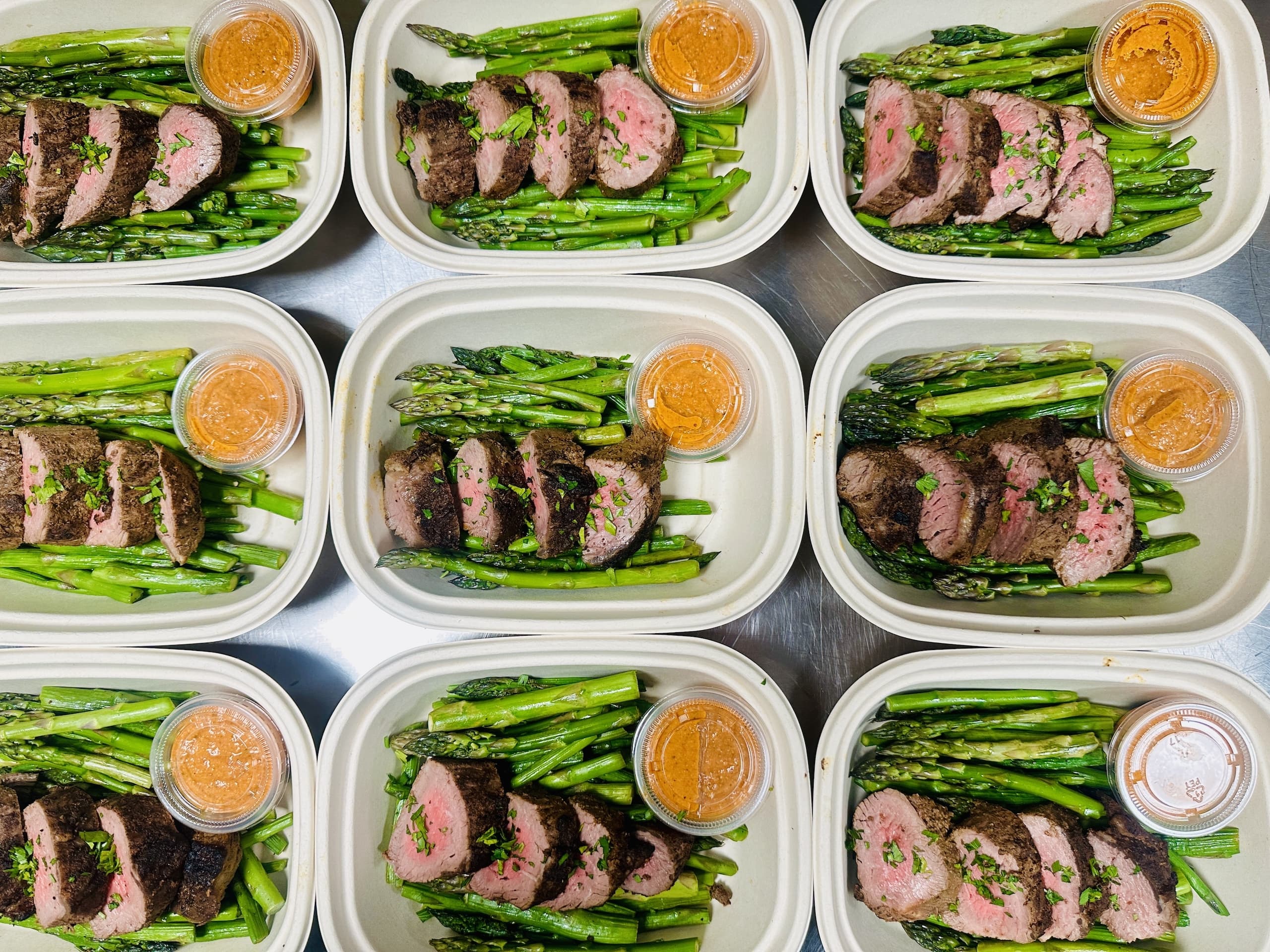

Food waste in workplace dining starts with a difficult problem: you’re feeding a population that changes every day.
Attendance fluctuates. People eat differently. Menu preferences change. And running out of food isn’t an acceptable solution.
The result is a forecasting challenge every workplace food program has to solve.
At Sifted, we’ve spent years building systems to get better at it. And when surplus does happen, we work to make sure good food has somewhere to go.
Together with our clients and food recovery partners, Sifted has helped recover and donate more than $7 million worth of meals.
Reducing waste starts before lunch is served
Food recovery matters. But the best place to address waste is earlier, when decisions are being made about how much food to prepare.
Our teams use participation history, consumption patterns, menu performance and operational data to continually improve forecasting.
That affects decisions throughout the program:
- How many people are likely to eat
- How much of each menu element to prepare
- Which foods a particular office consumes more or less of
- How portions should change based on historical demand
- Where recurring overproduction is happening
The goal isn’t simply to make less food. It’s to make the right amount of the right food.
Some surplus is inevitable
Even strong forecasting can’t predict everything.
An unexpected meeting gets canceled. Office attendance changes. Employees eat less than anticipated. A particular dish doesn’t perform as expected.
When eligible food remains, Sifted works with local food recovery organizations across our markets to redirect it rather than discard it.
That creates a second line of defense against waste: forecast more accurately first, recover responsibly second.
Better systems compound over time
Reducing food waste isn’t one initiative. It comes from hundreds of small operational decisions made across kitchens and workplaces every day.
Sifted teams continually refine participation forecasting, menu planning, production quantities, portion management, operational reporting and food recovery coordination.
And every service gives us more information for the next one.
That matters at scale. A small improvement in production may not look significant after one lunch. Repeated across hundreds of meals, offices and service days, it becomes meaningful.
$7 million and counting
Reaching $7 million in recovered meals reflects years of work by Sifted clients, chefs, kitchen teams, onsite teams, drivers and food recovery partners.
It’s also evidence of something we believe strongly: a well-run workplace food program should deliver a great employee experience without accepting unnecessary waste as the cost of doing business.
Better forecasting. Smarter production. A plan for surplus.
That’s how better workplace food programs reduce waste.
Related resources
Transforming Workplace Food Programs Through Data
Scaling Lunch: Managing Food Programs Across Multiple Cities

Scaling Thoughtfulness with Jess Legge, CEO | Sifted
Let's talk about
your workplace
food program.