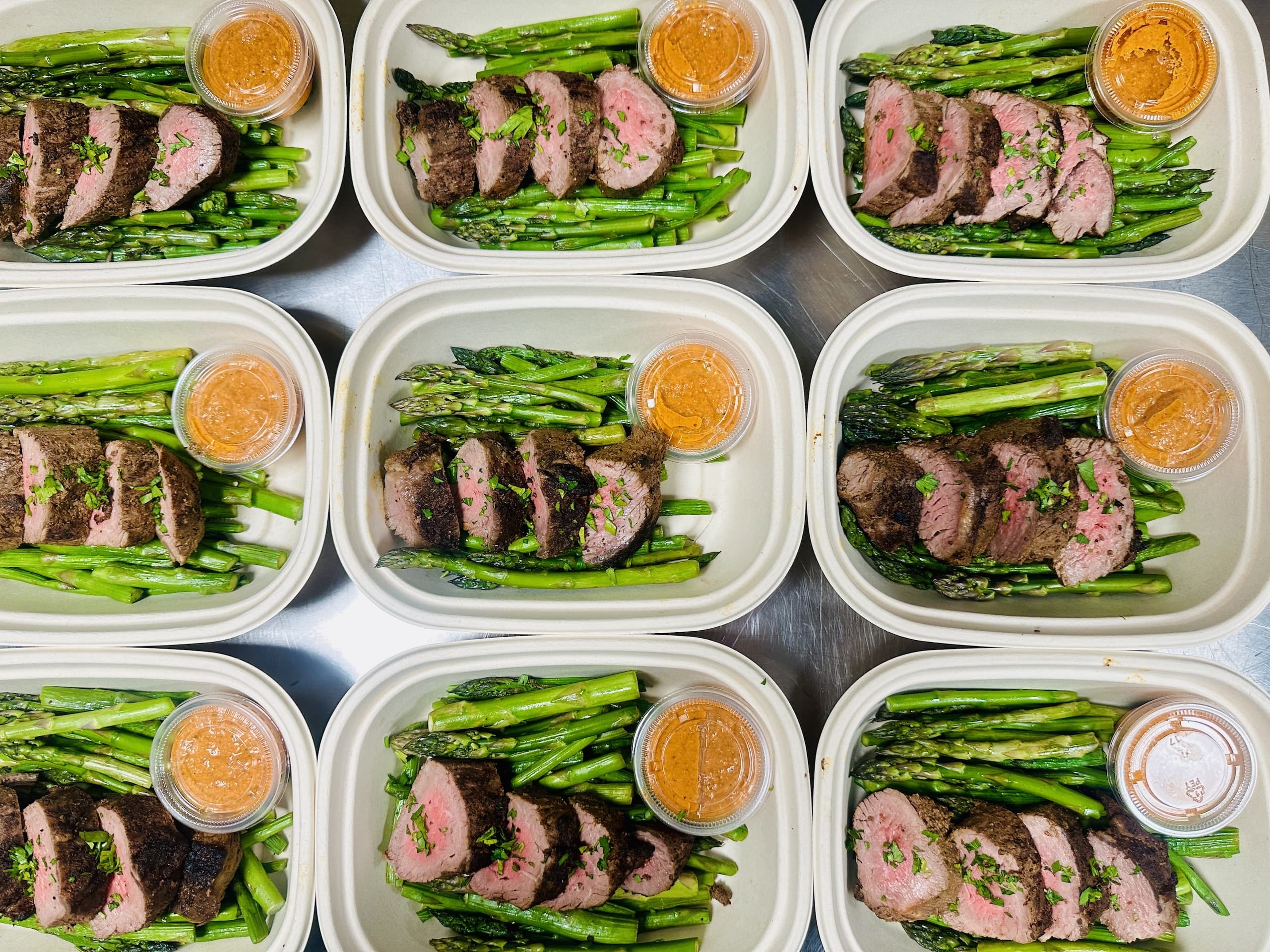

Corporate Catering Pricing by City: What Does an Office Food Program Cost?
How much does corporate catering cost? For companies planning a recurring office lunch program, pricing depends on location, employee count, service frequency, and the type of food program.
At Sifted, a typical recurring lunch program costs $14–$19 per person, plus applicable sales tax, although pricing varies significantly by market and program configuration.
Across our eight U.S. markets, Sifted clients currently pay between $14 and $48 per person, depending on their specific needs.
This guide breaks down typical corporate catering prices by city, explains what’s included, and identifies the factors that influence your final cost.
Corporate Catering Pricing by City
The following ranges reflect typical Sifted workplace food program pricing in each market.
| Market | Typical price per person |
|---|---|
| Atlanta | $14–$19 |
| Austin | $14–$25 |
| Denver | $15–$23 |
| Salt Lake City | $14–$25 |
| Chicago | $18–$28 |
| Seattle | $19–$30 |
| San Francisco | $20–$43 |
| New York City | $22–$36 |
These prices are intended for initial budgeting and do not represent guaranteed quotes. Applicable sales tax is additional. Programs with expanded menus, additional food stations, or other services may cost up to $48 per person.
What’s Included in Sifted’s Corporate Catering Pricing?
Sifted provides fully managed recurring workplace food programs. Unlike one-time catering orders, these programs include the operational services needed to serve employees consistently throughout the week.
A standard Sifted program includes:
- Menu development: Menus created by Sifted’s culinary teams, with variety and dietary needs considered.
- Fresh preparation: Meals prepared by local chefs in Sifted’s commercial kitchens.
- Delivery and service: Transportation, professional setup, food presentation, and cleanup.
- Food donation: Daily recovery and donation of eligible surplus food.
- Reporting: Access to program analytics and performance information.
- Account management: A dedicated point of contact for ongoing program coordination.
These services are included in the program design rather than managed separately by your workplace team.
For a closer look at how a typical service operates, read A Look Inside a Sifted Lunch.
What Factors Affect Corporate Catering Costs?
1. Office location
Food, labor, transportation, and operating costs vary across cities. A recurring lunch program in Atlanta may have a different per-person cost than a comparable program in San Francisco or New York.
2. Number of employees
Employee headcount influences food quantities, staffing, equipment, and delivery requirements.
Sifted generally works with offices serving 50 or more employees per day, with programs tailored to each workplace’s needs.
3. Meal frequency
The number of days employees receive meals affects the overall program budget.
Sifted specializes in recurring programs, typically serving offices three to five days per week. Program frequency and expected participation help determine the most appropriate service configuration.
4. Meal period
Breakfast, lunch, dinner, and snack programs have different menu, preparation, and staffing requirements.
5. Additional food stations and services
Companies can expand their food programs with options such as salad bars, soups, sandwiches, grab-and-go meals, coffee, and snacks.
These additions provide more variety and flexibility but can increase the per-person price.
Example: Budgeting for a Chicago Office Lunch Program
Consider a Chicago office with 150 employees receiving lunch three days per week.
Using Sifted’s typical Chicago range of $18–$28 per person:
| Budget item | Estimated cost |
|---|---|
| Employees served daily | 150 |
| Lunches per week | 3 |
| Estimated daily cost | $2,700–$4,200 |
| Estimated weekly cost | $8,100–$12,600 |
| Estimated monthly cost (4.33 weeks) | $35,073–$54,558 |
These estimates assume all 150 employees participate on each service day and exclude applicable sales tax. Actual billing depends on the agreed program structure and service requirements.
Because workplace attendance fluctuates, planning around expected participation rather than total office headcount can help companies manage their budgets more effectively.
For additional guidance, see our article on Workplace Food Program Metrics: What to Measure and Why.
How Should Companies Compare Corporate Catering Prices?
When evaluating providers, compare the full scope of service rather than the food price alone.
Ask whether the quoted price includes:
- Delivery, setup, and cleanup
- Service equipment and staffing
- Menu planning and dietary accommodations
- Account management
- Reporting and employee feedback
- Food donation and surplus management
A lower per-person price may not represent a lower total cost if your internal team must coordinate additional services.
Our guide to comparing workplace food program providers explains how to evaluate different service models, pricing structures, and operational responsibilities.
Food Donation Reporting and Potential Tax Benefits
Sifted incorporates food donation into its workplace food programs and provides donation reporting.
Eligible businesses may be able to use this documentation when evaluating potential charitable food-donation deductions with their tax advisors.
Tax treatment depends on the business, the donated food, and applicable regulations. Donation reporting does not guarantee a deduction.
How Long Does It Take to Launch a Workplace Food Program?
Sifted can typically design and launch a new workplace food program within two to four weeks, depending on the location, service configuration, and operational requirements.
The process includes understanding your office’s needs, developing a menu and service plan, coordinating logistics, and preparing for the first service.
Get a Corporate Catering Estimate for Your Office
Sifted provides recurring corporate catering and fully managed workplace food programs across eight U.S. markets.
To receive a more specific estimate, share your office location, expected daily headcount, meal frequency, and any additional services you’re considering.
Our team can recommend a program configuration and provide pricing based on your workplace’s requirements.
Related resources

Office Catering Models: Side-by-side Comparison Chart

Feeding Culture: Complete Guide to Office Catering

Lunch Money: Understanding the Funding Structures
Let's talk about
your workplace
food program.